Our Products

NCVET by virtue of the functions and powers of NCVET notified by gazette notification No. SD-17/113/2017-E&PW dated 05th December, 2018 under Section 16(1) (a) and (b) ‘recognize, monitor, discipline and de-recognize awarding bodies and assessment agencies’.


Skill India International Centres(SIICs)
Overview
Skill India International Centres take forward the government's vision to establish India as the skill capital of the world. SIICs aim at reducing the cost and time for international mobility of Indian youth and developing a trusted network for information, training, testing and recruitment at one place. The SIICs will help create a 'Trusted workforce supply chain' by ensuring skilled mobility from India in a fair and transparent manner. Through the SIICs skilling and ethical migration for recruitment from India can be ensured.
Objective
- Services offered at SIICs to a candidate are- counselling (including awareness regarding safe, legal and ethical emigration), domain skills assessment, domain skill training, soft skills, culture immersion and pre departure orientation training, language training, administrative facilitation as well as post placement support.
- At present 02 SIIC’s are operational in India- SIIC Varanasi at ITI Karaundi and SDI Bhubaneswar. Further 05 SIIC’s are in the process of being roll
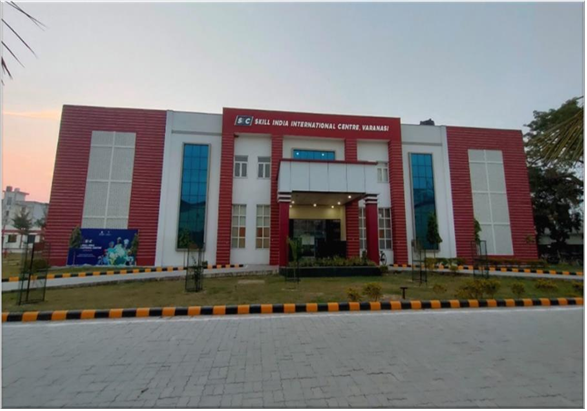
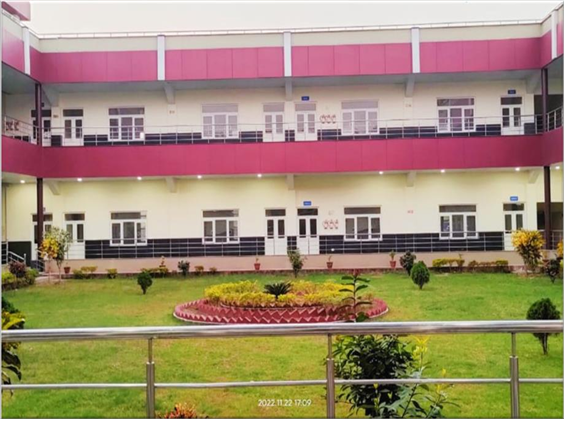
Skill India International Centres take forward the government's vision to establish India as the skill capital of the world. SIICs aim at reducing the cost and time for international mobility of Indian youth and developing a trusted network for information, training, testing and recruitment at one place.

The National Policy on Skill Development and Entrepreneurship, 2015 laid out Skill India Mission, and envisaged the creation of Sector Skill Councils (SSCs) by NSDC. Priority sectors have been identified based on the skill gap analysis. The SSCs have been mandated with the following functions:

PMKVY 4.0 has been designed to make the scheme flexible, inclusive, technology enabled, and market driven resulting in better employability through enhanced industy-connect, On-the-Job training with focus on new age skills like Industry 4.0, Web 3.0, AI/ML, AR/VR, Climate Change, Circular Economy, Green Economy, and Energy Transition.

National Green Hydrogen Mission
Overview
The National Green Hydrogen Mission was launched by the Government of India in January 2023 with the aim of making India a global hub for the production, utilization, and export of green hydrogen. Green hydrogen is produced using renewable energy sources like solar and wind, making it a clean alternative to fossil fuels. There is a potential for creation of 6,00,000 jobs across the Green Hydrogen value chain by 2030.
Objectives
The scheme aims to develop the skills of youth, considering the emerging employment opportunities in the growing Green Hydrogen sector in India. The scheme shall focus on skilling / re-skilling of manpower and help develop an ecosystem for carrying out training covering key aspects of the Green Hydrogen value chain along with fundamental principles of entrepreneurship.
The scheme shall undertake the following activities for the development of the necessary skillset:
- Short Term Training (STT)
- Up-skilling along with Recognition of Prior Learning (RPL)
- Creation of Centres of Excellence (CoEs)
- Enabling curriculum based long duration training at Schools, ITI, Polytechnics and HEIs
Scheme Initiatives
- Undertake comprehensive skill gap analysis covering key areas of the Green Hydrogen ecosystem on a continuous basis.
- Creation/ updating of a registry of skills as required by the Green Hydrogen value chain.
- Design and develop curricular elements for use in schools, Industrial Training Institutes (ITI), Polytechnics and HEIs at various levels and segments of the Green Hydrogen value chain.
- Develop Qualification Packs (QPs), and training content including training manuals and online study resources for Green Hydrogen and allied sectors for use of STT and up-skilling courses.
- Encourage private sector participation, with a greater focus on training in industries and On-the-Job Training (OJT).
- Enable cross utilization of available infrastructure at schools, HEIs and government institutions for delivery of skill training.
- Laydown criteria and mechanism for identification of institutions who would deliver the skilling courses.
- Creation of certified pool of trainers across the Green Hydrogen value chain.
- Implement learner-centric training programs to train and certify participants on approved courses on Green Hydrogen in consultation with Ministry of Skill Development and Entrepreneurship (MSDE). The training program shall include all components of training including placement tracking.
- Facilitate creation of one or more model CoEs for enabling higher level skilling, Training of Trainers (ToT) and support content creation on the Green Hydrogen ecosystem.
Target Allocation
The Target Allocation process is carried out by collecting proposals from interested partners. These proposals are then taken through a structured screening and approval process, during which their alignment with strategic goals, feasibility, and potential impact is evaluated.
The National Green Hydrogen Mission was launched by the Government of India in January 2023 with the aim of making India a global hub for the production, utilization, and export of green hydrogen. Green hydrogen is produced using renewable energy sources like solar and wind, making it a clean alternative to fossil fuels. There is a potential for creation of 6,00,000 jobs across the Green Hydrogen value chain by 2030.

National Apprenticeship Promotion Scheme (NAPS)
Overview
The National Apprenticeship Promotion Scheme (NAPS) is a government initiative in India that incentivizes establishments to hire apprentices under the Apprentices Act, 1961. It aims to promote on-the-job training and skill development, providing financial support to both employers and apprentices.
Why NAPS?
NAPS is the Government of India’s flagship initiative to institutionalize apprenticeships as a mainstream career pathway — blending learning with earning. With a sharp focus on job-readiness and industry-aligned skilling, NSDC, through NAPS, enables both youth empowerment and industrial productivity.
Key Impact Highlights
• 38 lakh+ Apprentices Engaged • 50,000+ Employers Participating Across Sectors • ₹980 crore+ Disbursed via Direct Benefit Transfer • 169 Third-Party Aggregators Empanelled • 700+ Industry-Relevant Apprenticeship Courses • 92% CAGR in Apprentice Engagement • 32% CAGR in Establishments Participating • 45% Apprentices from Diverse Socio-Economic Backgrounds • 21% Women Apprentices Engaged • 35 lakh e-KYC Verifications • 30 lakh Aadhaar-Based Beneficiary IDs Generated
Prominent Employers Onboard: Mahindra, Dixon, Toyota, Apollo Pharmacy, Maruti Suzuki, Aditya Birla, Reliance, Barbeque Nation — and many more!
Our Key Offerings
Industry Engagement & Enablement • End-to-end onboarding and handholding of establishments • Customised apprenticeship frameworks aligned to business needs • Access to a nationwide talent pool • Regulatory compliance and operational support
Promotion of Apprenticeship Opportunities
• Nationwide awareness campaigns, Apprenticeship Melas & Rozgar Melas • Partnerships with SSCs, TPAs, and industry bodies • Success stories and best practices from the field • Promoting Apprenticeship with schools and colleges
Financial Incentive Support
• Direct Benefit Transfer (DBT) to apprentices up to 1500 rupees per month • Transparent, timely fund tracking via digital platform
Digital Infrastructure & Platform Management
• Unified Apprenticeship Portal for real-time operations • Features: Online registration, contracts, analytics dashboard, Aadhaar-PFMS integration
Capacity Building & Stakeholder Support
• Training for establishments, candidates & intermediaries • Knowledge sessions, policy guidance, SOPs & grievance redressal
Transforming India’s Skilling Landscape
From urban metros to rural towns, NAPS is building a future-ready India — one apprentice at a time. By bridging the gap between education and employment, NAPS is reshaping industry-academia linkages, enhancing productivity, and catalyzing inclusive growth.
Ready to Join the Apprenticeship journey?
Visit: www.apprenticeshipindia.gov.in
The National Apprenticeship Promotion Scheme (NAPS) is a government initiative in India that incentivizes establishments to hire apprentices under the Apprentices Act, 1961. It aims to promote on-the-job training and skill development, providing financial support to both employers and apprentices.

PM Vishwakarma Scheme
Overview
PM Vishwakarma is implemented as a Central Sector Scheme, fully funded by the Government of India with a budget outlay of INR 13,000 Cr. The Scheme is being implemented conjointly by Ministry of Micro Small Medium Entreprises (M/o MSME), Ministry of Skill Development Entrepreneurship (MSDE) and Department of Financial Services (DFS), under Ministry of Finance, Government of India. PM Vishwakarma will be implemented for five years up to 2027-28, covering 30 Lakh Vishwakarma.
The scheme aims at improving the quality, as well as reach of products and services of artisans and craftspeople so that the Vishwakarma are enabled to move up the value chain in their respective domains and become self-reliant and successful entrepreneurs. Within this scheme, 18 such trades (+10 sub trades) have been identified for the training.
Initiatives under the PM Vishwakarma Scheme
Skill Upgradation
PM Vishwakarma is aimed at enhancing the capabilities of the recognized Vishwakarma by training them on the use of modern tools, design elements and domain skilling in their respective trades. Skill upgradation components also cover aspects related to market linkages, enterprise creation and expansion through credit and benefits of digital transactions to immerse them with the contemporary business models.
Skill Upgradation consists of:
Skill Assessment: This is conducted on Day ‘0’ of the training and is considered as a pre assessment. Post participating in skill assessment, Vishwakarma become eligible for availing toolkit voucher worth INR 15,000/-.
Basic Skilling: This is a 5–7-day or 40 hours training program. The hours are divided into:
a. Training on Toolkit: 15 Hours
b. Digital literacy, financial literacy and entrepreneurial skill training: 25 hours
c. During training, banking official authorized by DFS, gives a session on credit linkage/availing of loan and on Day 6, assessment is conducted.
Advanced Skilling: is 15 days or 120 hours training for Vishwakarma with an assessment on Day 16. The hours are divided into:
a. Training on advanced tools: 45 Hours
b. Digital literacy, financial literacy and entrepreneurial skill training: 75 hours
Progress: NSDC has efficiently completed basic training of over 22 lakh Vishwakarma in a quick duration ensuring quality training.
<ENTER IMAGE>
Training of Trainers
As a strategic step towards implementation of the PM Vishwakarma scheme, the trainers in the niche traditional identified 28 trades was crucial. Efforts were made to identity and align master artisans, tradesmen and domain experts.
The Master Trainer, trainers and assessors received training on various aspects, including conducting engaging orientation sessions for program beneficiaries, comprehending the scope of their work, and aiding participants in recognizing entrepreneurial qualities through behavioural exercises and real-life case studies. Moreover, the master trainers will be familiarized with a range of government support schemes that Vishwakarmas can leverage for financial assistance, comprehending the different components of a business plan and coherence with other Government schemes. The training modules were specially designed to ensure trainers are adept on usage of trade specific equipment and tools for practical training. Modern training audio-visual tools will supplement the training. Practical training in the usage of every tool will be provided. Oriented them on how to improve by inculcating modern designs and time optimization. Master Trainers were also trained on skills and mode of conducting distant teaching mechanisms to ensure trainers across the country have access to quality training and certification.
The PMV Helpdesk
“The PM Vishwakarma Project's dedicated call centre serves as the vital communication link between traditional artisans and the comprehensive government support ecosystem, delivering transformative accessibility through multilingual assistance. As a strategic enabler of the initiative's mission, this advanced support infrastructure empowers craftspeople across India by providing real-time guidance on scheme benefits, application procedures, and training opportunities while simultaneously gathering invaluable field insights that inform policy refinements. Operating with cutting-edge technology and domain expertise, the call centre transcends mere information dissemination to become an active catalyst for artisan empowerment—bridging digital divides, resolving implementation challenges, and ultimately enhancing the socioeconomic trajectory of millions of skilled workers who represent India's rich cultural heritage and indigenous knowledge systems”.
PM Vishwakarma helpline can be reached at 1800-569-1565, Monday through Saturday, 10:00 AM to 6:00 PM.
For more information you may contact us at pmvishwakarma@nsdcindia.org
PM Vishwakarma is implemented as a Central Sector Scheme, fully funded by the Government of India with a budget outlay of INR 13,000 Cr. The Scheme is being implemented conjointly by Ministry of Micro Small Medium Entreprises (M/o MSME), Ministry of Skill Development Entrepreneurship (MSDE) and Department of Financial Services (DFS), under Ministry of Finance, Government of India. PM Vishwakarma will be implemented for five years up to 2027-28, covering 30 Lakh Vishwakarma.
Become a Partner
Become a Partner


Governement Layout
Our Services & Offerings
Skill India Digital Hub is specially designed and developed to skill, reskill and upskill Indian individuals through an online training platform, API-based trusted skill credentials, payment and discovery layers for jobs and entrepreneurial opportunities. The improved version of the platform has Udyam, e-Shram, NCS and ASEEM portals interlinked for G2C, B2C and B2B services. It will act as a bridge between the employees and employers and allow educational institutes to create/modify curricula as per industry demands.
Through Industry Connect NSDC focuses on building strong partnerships between educational institutions, training providers, and industries to ensure that the skills developed by individuals are directly aligned with the needs of the labor market. These collaborations help bridge the gap between what students or trainees learn and what employers require, ensuring a smoother transition from education or training into employment.
The same is achieved through: Industry-Academia Partnerships, Internships and Apprenticeships, Industry-Specific Certifications, Workplace Learning and Continuous Development, Employer Driven Skill Mapping NSDC ensures that learning is relevant, practical, and aligned with market needs. By fostering stronger partnerships between industries and educational institutions, the skill development ecosystem becomes more effective in preparing the workforce for current and future job demands.

NSDC has partnered with numerous Training Partners, Industry Associations, and Sector Skill Councils to set up training facilities and skill centers across India. These centers are aimed at providing hands-on training, industry-relevant certifications, and practical exposure in a wide range of sectors.
These centers offer training in various sectors, such as Retail, Construction, Automotive, Information Technology, Healthcare, Agriculture, and more. Training is provided in both technical skills, soft skills, and employment with an emphasis on industry needs and employment readiness.
The Model Skill Centres are the state-of-the-art training centers designed to provide world-class training in various skills. These centers focus on creating a high-quality learning environment with advanced tools, equipment, and industry-relevant curricula providing students with modern infrastructure, live projects, and a direct industry connection with focus on placement support.
NSDCI has deployed 33180 candidates across 23 sectors and 16 countries. Key sectors are Construction Facility Management MEP, Healthcare and Tourism & Hospitality. Key countries of deployment are Saudi Arabia, UAE, Israel etc. Under the Skill Verification programme till today, over 88,000 candidate has been successfully registered and over 82,000 has been successfully assessed.
NSDC helps and supports individuals towards personalized skill development by mentoring to identify the learning path, supporting structured learning schedules for acquiring new skills, advising learners about the insights on industry trends, job opportunities, and networking strategies.
Through the Skill Need Assessment process individuals, organizations, and educational institutions can evaluate the existing skills gap and identify the skills required for future growth and success. Whether you're looking to boost your career or enhance your workforce's capabilities, conducting a skill needs assessment will help you understand the skills you currently lack and how to acquire them. A crucial process where the individuals are benefited, by understanding the industry requirement, evaluating existing skills, identifying skill gaps, and using learning platforms for skill building.
It helps individuals and organizations align their training and development efforts with the evolving demands of the job market, leading to better performance, growth, and success.
Industry-relevant curricula for skill development are essential for ensuring that individuals are equipped with the necessary skills to meet the demands of various sectors. These curricula are typically tailored to the needs of specific industries, and they focus on the practical application of knowledge, aligning with current trends, technologies, and practices.
There are more than 30 sectors that offer:
- Technology driven courses in IT, Automobile, Electronics, Telecom, Logistics & Manufacturing, Retail and E-commerce, Entertainment and Digital Marketing.
- Specialized training in medical technology, clinical research, healthcare management, and emerging fields such as telemedicine in healthcare and life sciences.
- Financial services and accounting are essential to every business, requiring skills in areas like financial analysis, risk management, investment banking, and accounting software tools.
- Others, including Hospitality, Tourism, Food Safety, Customer Service, Agriculture, Beauty, Handicrafts & Textiles, Construction & Interior Designing and Furniture Designing.
- New age technologies in every sector are significantly transforming the skill development sector by enabling more personalized, flexible, and accessible learning experiences. These technologies are shaping the way individuals acquire skills, enhancing the delivery of education, and improving the effectiveness of training programs across various industries.
Industry-relevant curricula are crucial for ensuring that skills align with the needs of employers across various sectors. Whether you are an individual looking to upskill or a company aiming to train your workforce, selecting or developing curricula that focus on the most up-to-date, practical knowledge and skills is essential for career success and organizational growth.
The Central Ministries play a crucial role in governance, policy implementation, and service delivery across various sectors. Each ministry is headed by a Cabinet Minister or a Minister of State and is responsible for formulating and implementing policies, programs, and initiatives within its domain.


PM Vishwakarma Scheme
With her growing business, she has been able to deposit one instalment to the bank so far. Her story of transitioning from a homemaker to a full-time entrepreneur is inspiring
PM Vishwakarma Scheme
PM Vishwakarma Scheme
I learned about the PM Vishwakarma Scheme from the locals and decided to register for the Blacksmith
course. The trainer introduced me to different types of new blacksmithing materials and taught me how
to use them. After completing the course, I received a loan of one lakh rupees. During the training, I was provided with food, breakfast, accommodation, and an allowance of Rs. 500 per day. I am very thankful to PM Vishwakarma and the center for this support.
PM Vishwakarma Scheme
program under the PM Vishwakarma Scheme for the Potter (Kumhar) trade. Throughout the program,
Sanjeev acquired comprehensive skills and knowledge critical for excelling in his craft. He learned to
efficiently use advanced tools and techniques, manage materials to reduce wastage, and create strategic business plans tailored to his trade. Beyond the technical aspects, Sanjeev gained valuable insights into accessing various government schemes and loans, leveraging e-commerce platforms for market expansion, and handling digital payments and bank account management. The training not only refined his craftsmanship but also enhanced his business acumen, empowering him to manage his operations more effectively and explore new business opportunities.
Expressing his heartfelt gratitude, Sanjeev credited Prime Minister Shri Narendra Modi and the PM
Vishwakarma Scheme for significantly enhancing his professional skills and expanding his business
prospects. The scheme has been a catalyst for his growth, enabling him to envision a more prosperous
future in his traditional trade.
PM Vishwakarma Scheme
Driven by his passion to make an impact in the furniture and fittings industry, Showkat enrolled in the PM Vishwakarma Scheme. There, he undertook training on the essential skills needed to enhance his
productivity and create innovative designs from traditional craftsmanship. This training not only improved his productivity but also boosted his income and strengthened the local economy.
Determined to prove his mettle, Showkat immersed himself in learning the intricacies of using modern
tools and equipment to craft designs that seamlessly resonate with customers in today's dynamic
marketplace. Upon completing the training, Showkat was ecstatic to discover that ₹4,000 was credited in his bank account. Additionally, he was thrilled to receive a toolkit worth Rs 15,000 which helped him a lot in his business.
PM Vishwakarma Scheme
for tailoring.
Her desire to enhance her tailoring skills
led her to enroll in the PM Vishwakarma Scheme. There, she received training that improved her skills,
introduced her to new tools and their applications, taught her how to minimize material wastage, and
guided her in creating a business plan. She also learned about e-commerce and digital payments. She was
excited to learn that a training stipend of RS 4000 would be credited to her bank account upon completing
the training and that she would receive a toolkit incentive of up to INR 15,000. After completing the
training, she obtained a loan of INR 100,000, which will help her scale her productivity by procuring
resources, manpower, and materials to elevate her business to the next level. Through the PM
Vishwakarma Scheme, she is now able to support her family financially.